


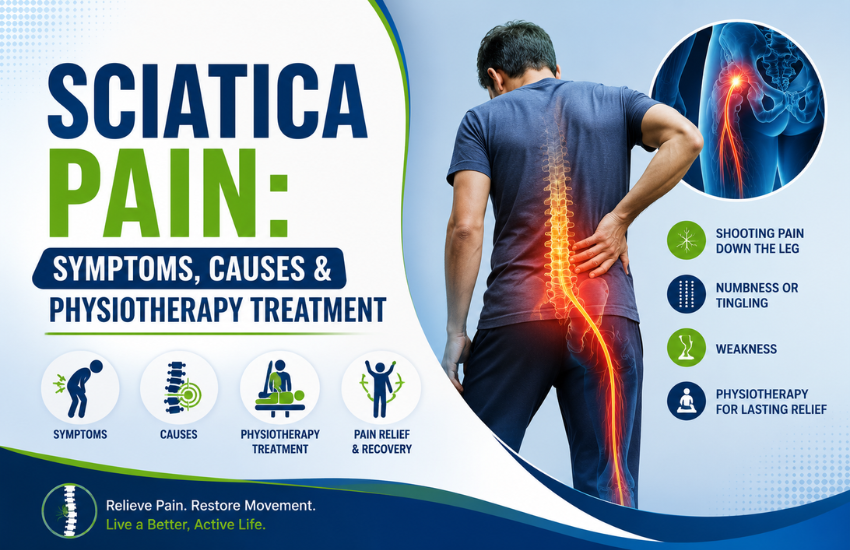
Sciatica Pain: Symptoms, Causes and Physiotherapy Treatment
Sciatica is a common condition that causes pain along the path of the sciatic nerve, which runs from the lower back through the hips, buttocks, and down each leg. The condition often occurs when the sciatic nerve becomes compressed or irritated, leading to discomfort that can affect mobility and daily activities. Understanding the symptoms, causes, and available sciatica treatment options can help individuals seek timely care and prevent long-term complications. What is Sciatica? Sciatica is not a disease itself but a symptom of an underlying condition affecting the sciatic nerve. The pain can range from mild discomfort to severe, debilitating pain and is typically felt on one side of the body. In some cases, individuals may also experience numbness, tingling sensations, or muscle weakness in the affected leg. Common Symptoms of Sciatica Sciatica symptoms can vary depending on the severity of nerve compression. Common signs include: Sharp or burning pain radiating from the lower back to the leg Pain that worsens while sitting for long periods Tingling or numbness in the leg or foot Weakness in the affected leg Difficulty standing, walking, or performing daily activities Pain that increases during coughing or sneezing If symptoms persist or become severe, professional evaluation is recommended. Causes of Sciatica Several conditions can irritate or compress the sciatic nerve. Common causes include: Herniated Disc One of the most common causes of sciatica is a slipped or herniated disc that places pressure on the sciatic nerve. Spinal Stenosis Narrowing of the spinal canal can compress nerve roots and trigger sciatic pain. Degenerative Disc Disease Age-related wear and tear in the spine may contribute to nerve irritation. Muscle Tightness Tightness in the piriformis muscle can compress the sciatic nerve and cause symptoms known as Piriformis Syndrome. Poor Posture and Sedentary Lifestyle Prolonged sitting, poor posture, and lack of physical activity can increase the risk of developing sciatica. How Physiotherapy Helps in Sciatica Treatment Physiotherapy is considered one of the most effective non-surgical approaches for sciatica treatment. Rather than simply masking symptoms, physiotherapy focuses on addressing the root cause of the problem. A physiotherapist performs a detailed assessment to identify the source of nerve irritation and develops a personalized treatment plan. Treatment may include: Stretching exercises to reduce nerve tension Strengthening exercises for core and back muscles Posture correction and ergonomic guidance Manual therapy techniques Neural mobilization exercises Dry Needling and IASTM where appropriate Pain management and rehabilitation programs These interventions help reduce pressure on the sciatic nerve, improve mobility, and prevent future recurrences. Tips to Prevent Sciatica To reduce the risk of developing sciatica: Maintain good posture while sitting and standing Exercise regularly to strengthen core muscles Avoid prolonged sitting Use proper lifting techniques Maintain a healthy body weight Stretch regularly to improve flexibility When to Seek Professional Help If sciatica pain persists for more than a few weeks, worsens over time, or is accompanied by significant weakness or numbness, professional medical evaluation is essential. Early intervention can improve recovery outcomes and prevent complications. Conclusion Sciatica can significantly affect your quality of life, but with the right treatment approach, most individuals experience excellent recovery. Physiotherapy plays a vital role in relieving pain, restoring mobility, and preventing future episodes. If you are experiencing symptoms of sciatica, consult the experts at Mobility For Wellness for a personalized treatment plan and long-term relief.
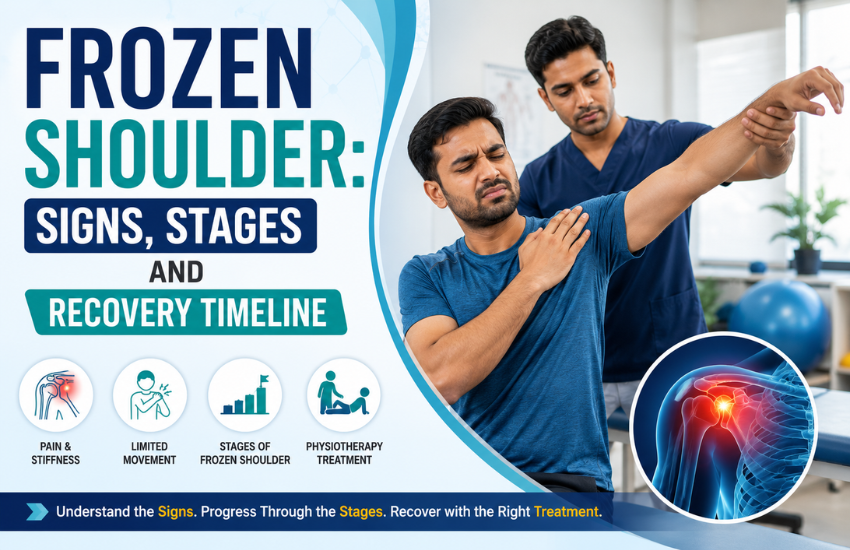
Frozen Shoulder: Signs, Stages and Recovery Timeline
Frozen Shoulder, medically known as Adhesive Capsulitis, is a condition that causes pain, stiffness, and limited movement in the shoulder joint. It develops gradually and can significantly affect daily activities such as reaching overhead, dressing, driving, or even sleeping comfortably. Understanding the signs, stages, and treatment options can help individuals seek timely care and achieve a faster recovery. What is Frozen Shoulder? Frozen Shoulder occurs when the capsule surrounding the shoulder joint becomes inflamed and thickened, leading to restricted movement and pain. The exact cause is not always known, but it is more common in people aged 40 to 60 years, especially women. Individuals with diabetes, thyroid disorders, prolonged shoulder immobilization, or recent shoulder injuries are at a higher risk of developing the condition. Common Signs and Symptoms Frozen Shoulder typically begins with mild discomfort that gradually worsens over time. Common symptoms include: Persistent shoulder pain Stiffness and reduced range of motion Difficulty lifting the arm Pain while sleeping on the affected side Trouble performing daily activities Gradual loss of shoulder mobility The severity of symptoms varies depending on the stage of the condition. The Three Stages of Frozen Shoulder Stage 1: Freezing Stage This is the initial stage where pain gradually increases and shoulder movement becomes more difficult. Duration: 6 weeks to 9 months Symptoms include: Increasing shoulder pain Pain during movement and at rest Gradual loss of flexibility Stage 2: Frozen Stage Pain may begin to decrease, but stiffness becomes more severe. Duration: 4 to 12 months Symptoms include: Significant restriction of movement Difficulty performing routine activities Reduced shoulder function Stage 3: Thawing Stage During this stage, shoulder mobility slowly improves. Duration: 6 months to 2 years Symptoms include: Gradual return of movement Reduced stiffness Improved shoulder function How Physiotherapy Helps in Frozen Shoulder Treatment Physiotherapy is considered one of the most effective treatments for Frozen Shoulder. A physiotherapist develops a personalized rehabilitation program to reduce pain, restore mobility, and improve shoulder strength. Treatment may include: Shoulder mobility exercises Stretching programs Joint mobilization techniques Postural correction Strengthening exercises Pain management therapies Home exercise guidance Early intervention can significantly improve recovery outcomes and help prevent long-term stiffness. Recovery Timeline The recovery timeline for Frozen Shoulder varies from person to person. Mild cases may improve within several months, while more severe cases can take one to two years for full recovery. Consistent physiotherapy, regular exercises, and adherence to treatment recommendations play a crucial role in accelerating recovery. Tips for Faster Recovery Follow your physiotherapy program consistently Perform prescribed exercises daily Avoid prolonged shoulder immobilization Maintain good posture Seek treatment early when symptoms appear Conclusion Frozen Shoulder can be frustrating and limiting, but with the right treatment approach, most individuals regain significant shoulder function and return to normal activities. Early diagnosis and physiotherapy are key to reducing pain, restoring movement, and shortening recovery time. If you’re experiencing persistent shoulder stiffness or pain, consult the experts at Mobility For Wellness for a comprehensive assessment and personalized treatment plan.
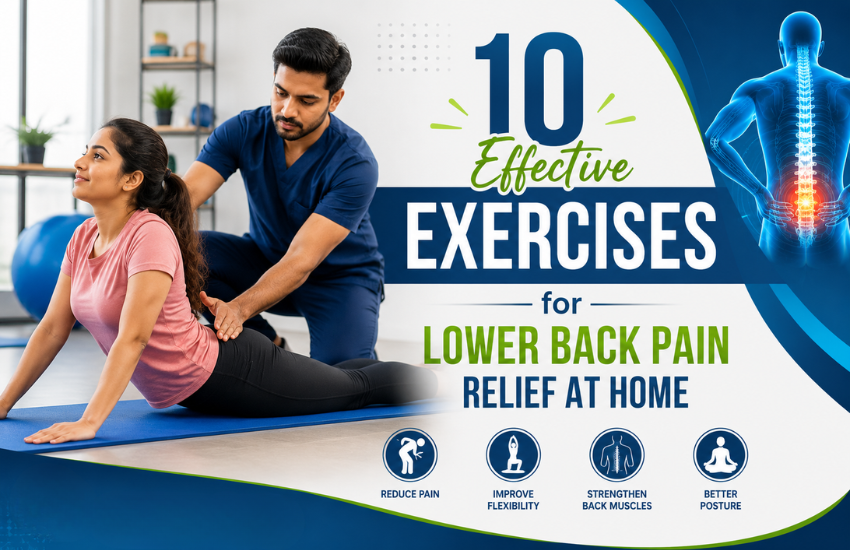
10 Effective Exercises for Lower Back Pain Relief at Home
Back pain is one of the most common health concerns affecting people of all ages. Whether caused by poor posture, prolonged sitting, muscle strain, or a sedentary lifestyle, lower back pain can significantly impact daily activities and overall quality of life. Fortunately, regular exercise and physiotherapy can play a crucial role in back pain treatment by improving flexibility, strengthening supporting muscles, and reducing discomfort. Here are ten effective exercises that may help relieve lower back pain and improve spinal health. 1. Cat-Cow Stretch The Cat-Cow Stretch helps improve spinal mobility and reduce stiffness in the lower back. Begin on your hands and knees, arch your back upward, and then slowly lower your abdomen while lifting your head. Repeat this movement for 10–15 repetitions. 2. Child’s Pose Child’s Pose is a gentle stretch that helps relax the lower back muscles and improve flexibility. Sit back on your heels and stretch your arms forward while lowering your chest toward the floor. Hold for 20–30 seconds. 3. Pelvic Tilts Pelvic tilts strengthen the abdominal muscles and support the lower back. Lie on your back with your knees bent and gently flatten your lower back against the floor. Hold for a few seconds and repeat 10–15 times. 4. Knee-to-Chest Stretch This stretch helps reduce tension in the lower back and gluteal muscles. While lying on your back, pull one knee toward your chest and hold for 20 seconds. Repeat on both sides. 5. Bridge Exercise Bridges strengthen the glutes, core, and lower back muscles. Lie on your back with knees bent and lift your hips off the floor until your body forms a straight line from shoulders to knees. 6. Bird-Dog Exercise Bird-Dog improves balance, stability, and core strength. Start on all fours and extend one arm and the opposite leg simultaneously. Hold briefly before switching sides. 7. Partial Crunches Partial crunches strengthen the abdominal muscles without placing excessive strain on the spine. Keep movements controlled and avoid pulling on the neck. 8. Hamstring Stretch Tight hamstrings can contribute to lower back pain. Gentle hamstring stretches help improve flexibility and reduce strain on the lower back. 9. Wall Sits Wall sits help strengthen the lower body and support proper posture. Lean against a wall and slowly slide down into a seated position while keeping your back supported. 10. Walking Walking is one of the simplest and most effective exercises for back pain relief. A daily 20–30 minute walk improves circulation, reduces stiffness, and promotes overall spinal health. When to Seek Professional Help While these exercises may help manage mild lower back pain, persistent or severe pain should not be ignored. If your symptoms continue for several weeks, worsen over time, or are accompanied by numbness, weakness, or difficulty performing daily activities, it is important to consult a physiotherapist. How Physiotherapy Helps in Back Pain Treatment Physiotherapy focuses on identifying the root cause of pain and developing a personalized treatment plan. Through targeted exercises, manual therapy, posture correction, and advanced treatment techniques, physiotherapy can help reduce pain, improve mobility, and prevent future episodes of back pain. Conclusion Regular exercise is an essential part of effective back pain treatment. By incorporating these simple exercises into your daily routine, you can strengthen your back, improve flexibility, and reduce discomfort. For lasting relief and expert guidance, consult the experienced physiotherapists at Mobility For Wellness and take the first step toward a healthier, pain-free life.