


Sciatica Pain: Symptoms, Causes and Physiotherapy Treatment
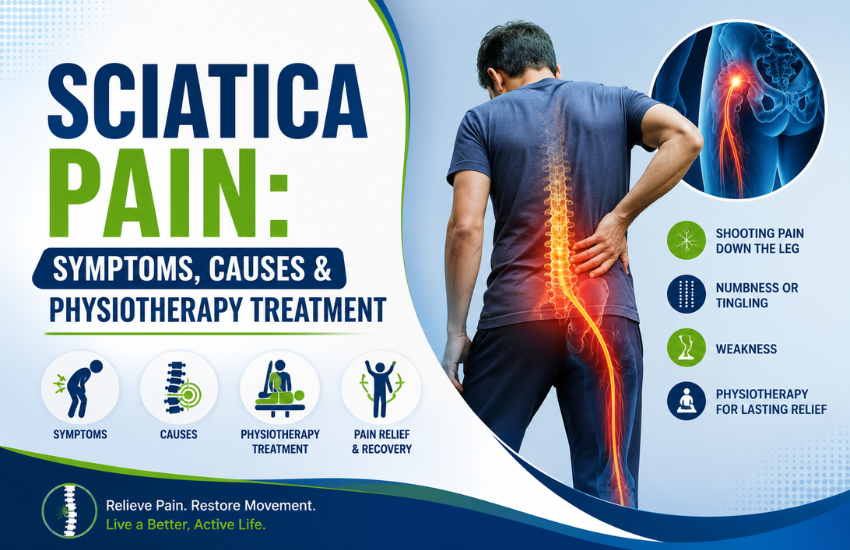
Sciatica is a common condition that causes pain along the path of the sciatic nerve, which runs from the lower back through the hips, buttocks, and down each leg. The condition often occurs when the sciatic nerve becomes compressed or irritated, leading to discomfort that can affect mobility and daily activities. Understanding the symptoms, causes, and available sciatica treatment options can help individuals seek timely care and prevent long-term complications. What is Sciatica? Sciatica is not a disease itself but a symptom of an underlying condition affecting the sciatic nerve. The pain can range from mild discomfort to severe, debilitating pain and is typically felt on one side of the body. In some cases, individuals may also experience numbness, tingling sensations, or muscle weakness in the affected leg. Common Symptoms of Sciatica Sciatica symptoms can vary depending on the severity of nerve compression. Common signs include: Sharp or burning pain radiating from the lower back to the leg Pain that worsens while sitting for long periods Tingling or numbness in the leg or foot Weakness in the affected leg Difficulty standing, walking, or performing daily activities Pain that increases during coughing or sneezing If symptoms persist or become severe, professional evaluation is recommended. Causes of Sciatica Several conditions can irritate or compress the sciatic nerve. Common causes include: Herniated Disc One of the most common causes of sciatica is a slipped or herniated disc that places pressure on the sciatic nerve. Spinal Stenosis Narrowing of the spinal canal can compress nerve roots and trigger sciatic pain. Degenerative Disc Disease Age-related wear and tear in the spine may contribute to nerve irritation. Muscle Tightness Tightness in the piriformis muscle can compress the sciatic nerve and cause symptoms known as Piriformis Syndrome. Poor Posture and Sedentary Lifestyle Prolonged sitting, poor posture, and lack of physical activity can increase the risk of developing sciatica. How Physiotherapy Helps in Sciatica Treatment Physiotherapy is considered one of the most effective non-surgical approaches for sciatica treatment. Rather than simply masking symptoms, physiotherapy focuses on addressing the root cause of the problem. A physiotherapist performs a detailed assessment to identify the source of nerve irritation and develops a personalized treatment plan. Treatment may include: Stretching exercises to reduce nerve tension Strengthening exercises for core and back muscles Posture correction and ergonomic guidance Manual therapy techniques Neural mobilization exercises Dry Needling and IASTM where appropriate Pain management and rehabilitation programs These interventions help reduce pressure on the sciatic nerve, improve mobility, and prevent future recurrences. Tips to Prevent Sciatica To reduce the risk of developing sciatica: Maintain good posture while sitting and standing Exercise regularly to strengthen core muscles Avoid prolonged sitting Use proper lifting techniques Maintain a healthy body weight Stretch regularly to improve flexibility When to Seek Professional Help If sciatica pain persists for more than a few weeks, worsens over time, or is accompanied by significant weakness or numbness, professional medical evaluation is essential. Early intervention can improve recovery outcomes and prevent complications. Conclusion Sciatica can significantly affect your quality of life, but with the right treatment approach, most individuals experience excellent recovery. Physiotherapy plays a vital role in relieving pain, restoring mobility, and preventing future episodes. If you are experiencing symptoms of sciatica, consult the experts at Mobility For Wellness for a personalized treatment plan and long-term relief.